
Planning Electricity for Locations Beyond the Main Power Grid
Outdoor events and temporary facilities often require electricity in places where a permanent mains connection is unavailable or unsuitable. A wedding marquee, community market, temporary warehouse, outdoor exhibition, or seasonal trading area may need power for lighting, catering equipment, refrigeration, and other essential services.
In these situations, a generator can provide a temporary source of electricity that supports the planned activities. However, successful installation requires more than arranging delivery. Organisers must determine the electrical demand, choose an appropriate generator, establish a safe location, and plan how the equipment will operate throughout the event or project.
For event organisers, contractors, and businesses in Shropshire, Local plant hire in Telford can be a practical starting point when investigating temporary power equipment.
Start with the Purpose of the Generator
The first step is to understand what the electricity supply must achieve. An outdoor wedding, for example, may need lighting, sound equipment, refrigeration, and power for selected catering appliances. A temporary market could require electricity for payment terminals, stalls, display lighting, and food preparation equipment.
These applications may appear similar, but their electrical requirements can differ significantly.
Make a complete list of the equipment that will use the generator. Include its rated power demand, voltage, phase requirements, and any special starting requirements. Identify which items must operate simultaneously and which can be scheduled at different times.
This process helps establish the minimum capacity required while allowing room for reasonable operating variation.
It is also worth discussing the planned setup with an electrician or another competent electrical professional. This is particularly important when several appliances, distribution boards, or temporary cables will be connected to a single supply.
Could a 20kVA Generator Meet Your Requirements?
A generator rated at approximately 20kVA may be appropriate for certain temporary power applications, but its suitability depends on the connected load and electrical characteristics of the equipment.
The kVA rating measures apparent power. The available real power in kilowatts depends on the generator’s power factor, so it is important not to treat kVA and kW as interchangeable.
For an event, the total requirement might include several lighting circuits, a sound system, refrigeration, and a small number of other appliances. Some of these items may draw additional current when starting, meaning the combined demand can be greater than a simple calculation of normal running loads suggests.
A generator must also have suitable output characteristics for the equipment being supplied. Single-phase and three-phase requirements, voltage compatibility, and load distribution need to be checked before the system is connected.
Businesses considering 20kva generator hire Telford should provide the supplier with a list of the equipment they intend to power. This information helps establish whether the available generator is suitable or whether a different specification is needed.
Creating a Power Plan for an Outdoor Event
Events depend on careful coordination. Electricity may be needed before guests arrive, during the main activity, and after the event finishes. A power interruption at the wrong time could affect lighting, catering operations, music, or essential services.
Creating a written power plan helps organisers identify these requirements in advance.
Divide Equipment into Essential and Non-Essential Loads
Not every appliance has the same priority. Essential lighting, required safety systems, refrigeration, and key operational equipment may need to remain available throughout the event.
Decorative lighting and optional appliances may be less critical. Separating these categories helps organisers understand which equipment needs priority and whether the generator has sufficient capacity for the entire installation.
This does not mean connecting more appliances than the generator can support. The complete arrangement must remain within its rated limits.
Plan for Setup and Breakdown
Electricity may be needed before the event officially begins. Catering teams might need time to prepare equipment, while sound technicians may require power for testing and installation.
The generator hire period should account for these activities as well as the main event. A realistic schedule can prevent the supply from becoming unavailable during preparation or when the site is being cleared.
Confirm the expected delivery and collection times with the supplier and allow enough time for safe installation and testing.
Consider Weather and Ground Conditions
Outdoor events can expose equipment and cables to changing weather. Rain, mud, standing water, and vehicle movements can create additional risks.
The generator must be positioned on a suitable stable surface and operated in accordance with the manufacturer’s requirements. Any weather protection must preserve adequate ventilation and prevent the creation of unsafe operating conditions.
Electrical distribution and cable protection should be planned by a competent person. Connections must be suitable for the environment, with appropriate protection against electric shock and other electrical hazards.
Positioning the Generator Without Disrupting Guests
Generator placement affects noise, access, ventilation, and the safety of the surrounding area.
At a wedding or garden event, positioning the machine too close to the marquee may cause unwanted background noise. At a market, a poorly chosen location could obstruct deliveries, create a trip hazard, or interfere with pedestrian routes.
Choose a location that allows safe operation and suitable access for inspection and refuelling. Keep the generator away from public access, combustible materials, and openings through which exhaust gases could enter occupied buildings or marquees.
Never operate a generator inside a building, enclosed marquee, garage, or other inadequately ventilated space. Exhaust contains carbon monoxide, an odourless gas that can be deadly. Placing a generator near an entrance or opening does not make indoor operation safe.
Cable routes should be designed to avoid pedestrian walkways and vehicle traffic wherever possible. Where cables must cross routes, suitable protection should be installed so that guests, staff, and contractors are not exposed to unnecessary risks.
Noise restrictions and local requirements should also be checked before the event begins.
Using Temporary Generators for Warehouses and Business Premises
Outdoor events are not the only situations where temporary power can be useful. Businesses may need a generator while extending a warehouse, renovating commercial premises, installing new equipment, or managing a temporary interruption to their electricity supply.
A warehouse expansion may require electricity for selected tools and temporary work areas before permanent connections are ready. A commercial property undergoing refurbishment might need a temporary supply for contractors working in a designated area.
The same planning principles apply. The required load must be calculated, the generator must be compatible with the electrical installation, and its operating location must meet safety requirements.
Businesses seeking backup power for essential operations should also consider whether the generator can support the required equipment during startup and sustained operation. Critical systems may need specialist installation, changeover arrangements, and protection to prevent unsafe backfeeding into the mains network.
A generator should not be connected to a building’s electrical installation through improvised wiring. Any connection to fixed electrical systems must be designed and carried out by a competent professional.
Hire Versus Purchase for Occasional Requirements
Purchasing a generator can be worthwhile for organisations that require temporary power frequently. However, buying equipment for an occasional event or short-term project may not offer the best overall value.
Hiring allows businesses to pay for equipment over an agreed period rather than committing to long-term ownership. It can also reduce the need to arrange permanent storage for machinery that is used only occasionally.
The financial comparison should include hire charges, transport, fuel, installation, any applicable additional fees, and the expected frequency of future use.
For event organisers, hiring may be particularly practical when the requirements change between events. One occasion might involve a small outdoor gathering, while another may need a more extensive power arrangement.
Before booking, confirm availability, the exact generator specification, delivery arrangements, operating instructions, and the responsibilities set out in the hire agreement.
Discussing Your Requirements with a Local Supplier
A clear enquiry helps a supplier understand the nature of the job and recommend an appropriate option. Include the location, dates, estimated operating hours, equipment list, and any restrictions affecting generator placement.
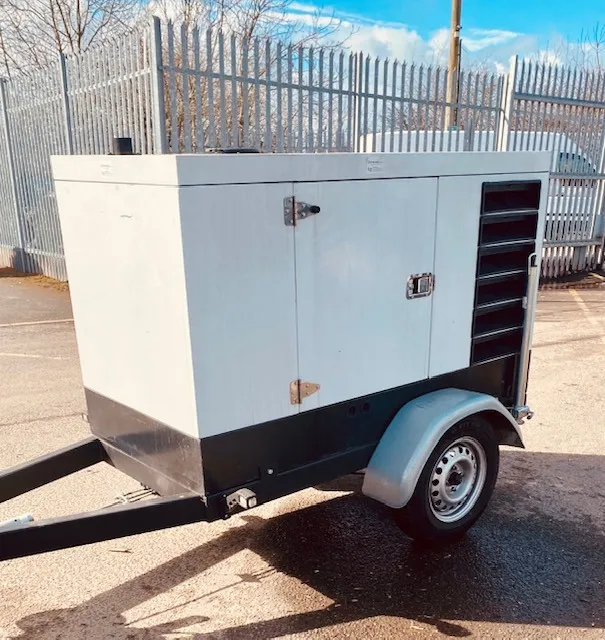
TT54 Plant Hire provides generator hire information for Telford and advertises a trailer-mounted, three-phase generator rated at 22kVA. The supplier’s website also highlights construction sites, temporary warehouse power, and events such as weddings and marquees as potential applications.
Because the exact model and available capacity may vary, customers should confirm the current specification and suitability directly with the supplier.
Conclusion
Temporary generators can support outdoor events, temporary facilities, and commercial projects where a suitable mains supply is unavailable. The key to a successful installation is planning the electrical demand, operating duration, generator position, cable routes, noise, and safety requirements before the equipment arrives.
For organisers and businesses exploring Local plant hire in Telford, a local supplier can help clarify the available equipment and hire arrangements. 20kva generator hire Telford is a useful search when investigating temporary power, but the correct capacity should always be determined by the actual load and site conditions.
