
Introduction
In today’s world of rising energy costs and stricter building regulations, Polyurethane foam insulation has become one of the most trusted solutions across construction and industrial sectors. Known for its exceptional thermal performance, lightweight structure, and versatility, this material plays a major role in improving energy efficiency in buildings, transport systems, and refrigeration units.
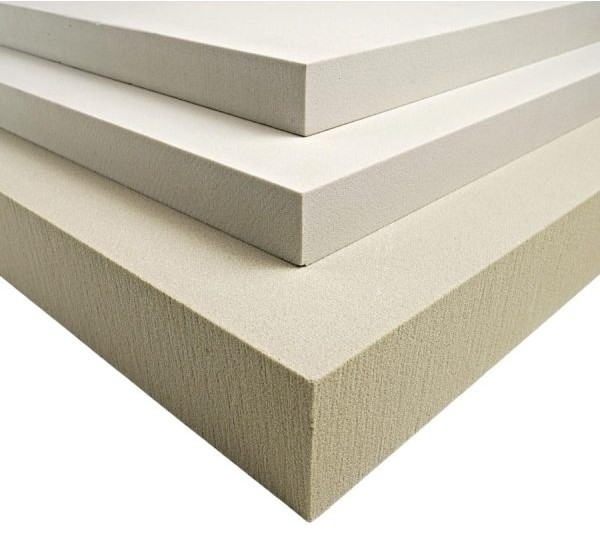
Among advanced insulation materials, Rigid polyurethane foam stands out due to its balance of strength, durability, and outstanding insulation capability. It is widely used in both residential and industrial applications where performance and long-term reliability are essential.
This article explores how polyurethane-based systems are transforming modern engineering, their key properties, benefits, and real-world applications.
Understanding Polyurethane Foam and Its Core Properties
Polyurethane foam insulation is a closed-cell material designed to trap gas within its structure, significantly reducing heat transfer. This structure makes it one of the most efficient insulation materials available today.
One of its most important characteristics is its extremely low thermal conductivity, typically ranging between 0.022 and 0.028 W/m·K, which makes it an excellent barrier against heat loss or gain. This means buildings stay warmer in winter and cooler in summer with minimal energy usage.
Another key advantage is its lightweight nature combined with a high strength-to-weight ratio, making it suitable for both insulation and structural applications.
Key properties include:
-
Excellent thermal efficiency
-
High bonding capability with various materials
-
Lightweight yet strong structure
-
Moisture and mildew resistance
-
Long-term durability without significant performance loss
These characteristics make polyurethane-based systems ideal for modern sustainable construction.
Applications of Rigid Polyurethane Foam in Industry
The use of Rigid polyurethane foam has expanded significantly since its introduction in the mid-20th century. Today, it is used across multiple industries due to its adaptability and efficiency.
1. Construction and Building Insulation
In the construction industry, polyurethane foam is widely used for wall panels, roofing systems, and insulation boards. Its low thermal conductivity helps reduce energy consumption in buildings, making it a preferred choice for green construction projects.
Foams used in building applications often have densities between 33 and 60 kg/m³, offering a perfect balance between insulation efficiency and structural stability.
2. Refrigeration and Cold Storage
One of the earliest commercial uses of polyurethane foam was in refrigeration. Its ability to maintain extremely low thermal conductivity makes it ideal for:
-
Cold storage rooms
-
Refrigerated transport vehicles
-
Isothermal truck bodies
-
Industrial cooling systems
These applications rely heavily on the foam’s ability to prevent thermal leakage and maintain consistent internal temperatures.
3. Automotive, Marine, and Aerospace Industries
Rigid polyurethane foam is also widely used as a structural core material in vehicles, boats, aircraft, and trains. It provides strength without adding unnecessary weight, making it highly valuable in transport engineering.
Its chemical resistance to oils, solvents, and resins further enhances its usability in demanding environments.
Structural Performance of Rigid Polyurethane Foam
One of the standout features of polyurethane systems is their structural capability. In addition to insulation, they are frequently used as load-bearing materials in composite structures.
Rigid polyurethane foam can be manufactured in densities ranging from 35 to 200 kg/m³, depending on application requirements.
Higher-density variants are used in:
-
Railway components
-
Bus and coach panels
-
Aircraft interiors
-
Marine structures
-
Construction composite panels
The foam demonstrates excellent compression strength and mechanical stability, making it suitable for both core and fill applications in engineered products.
Its resistance to moisture and mildew ensures long-term durability, even in challenging environmental conditions.
Phenolic Foam: Advanced Fire-Resistant Alternative
Alongside polyurethane systems, phenolic rigid foams represent a high-performance insulation category with exceptional fire safety characteristics.
Phenolic foam is known for:
-
Zero or very low flame spread
-
Minimal smoke emission
-
Extremely low toxic gas release
-
Non-melting, non-dripping behavior in fire conditions
It is a thermoset material, meaning it maintains structural integrity even when exposed to high heat.
Fire Certification Performance
Phenolic foam can meet multiple international standards, including:
-
EN 13501-1 Euro Class B-s1-d0
-
UK Class O / Low Risk
-
German B1
-
French M1
-
Scandinavian NT 036 Class 1
-
AS/NZS 1530 Part 3
In certain composite systems, it can provide up to 2 hours of fire resistance, making it highly suitable for high-rise buildings and critical infrastructure.
Thermal Efficiency and Energy Savings
One of the biggest advantages of polyurethane-based insulation systems is their ability to significantly reduce energy loss.
Closed-cell phenolic and polyurethane foams provide extremely low thermal conductivity, with phenolic materials achieving values as low as 0.018 W/m·K.
This superior performance results in:
-
Reduced heating and cooling costs
-
Lower carbon emissions
-
Thinner insulation layers for space savings
-
Long-term energy efficiency compliance
In comparison with traditional insulation materials, these foams can offer up to 100% higher thermal resistance, making them a leading choice for sustainable building design.
Environmental Benefits of Polyurethane Foam Insulation
Modern insulation technologies are increasingly evaluated based on environmental impact. Polyurethane foam insulation contributes positively to sustainability goals by reducing overall energy consumption in buildings.
Additionally, phenolic and polyurethane foams are available in CFC-free and HCFC-free formulations, helping reduce ozone-depleting emissions.
Key environmental advantages include:
-
Lower CO₂ emissions from buildings
-
Reduced energy demand
-
Long service life with minimal degradation
-
Contribution to green building certifications
By improving energy efficiency, these materials play a direct role in achieving global carbon reduction targets.
Industrial Manufacturing and Custom Solutions
Companies like Acoustafoam Limited have played a significant role in advancing foam technologies for industrial use. Established in 1979, the company specializes in producing custom-cut foam solutions, sheet materials, and CNC-engineered components.
Their polyurethane and rigid foam products are used across industries such as:
-
Automotive engineering
-
Marine applications
-
Electronics and filtration
-
Acoustic and insulation systems
A key advantage is their ability to manufacture tailored solutions based on client requirements, ensuring high precision and performance consistency.
Key Benefits of Polyurethane Foam Insulation
The growing popularity of polyurethane systems is driven by their multiple performance benefits:
1. High Thermal Efficiency
Exceptional insulation performance reduces energy loss significantly.
2. Lightweight Structure
Easy handling and installation without compromising strength.
3. Moisture Resistance
Closed-cell structure prevents water absorption and vapor penetration.
4. Structural Versatility
Can be used in both insulation and load-bearing applications.
5. Long-Term Durability
Maintains performance over time with minimal degradation.
6. Fire Performance Options
Advanced phenolic variants provide superior fire resistance.
Conclusion: The Future of High-Performance Insulation
As industries move toward sustainability, energy efficiency, and safer construction standards, Polyurethane foam insulation continues to play a critical role in modern engineering.
Its combination of low thermal conductivity, structural strength, and versatility makes it one of the most effective materials available today. Meanwhile, advanced solutions like Rigid polyurethane foam and phenolic systems continue to expand its application range into high-performance environments.
From buildings and transport to refrigeration and aerospace, these materials are shaping a more energy-efficient future. With continuous innovation and improved manufacturing techniques, polyurethane-based insulation will remain a cornerstone of modern industrial development for decades to come.
