
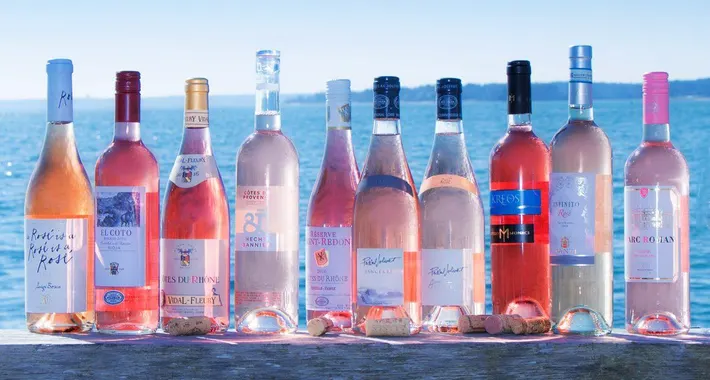
Many wine enthusiasts believe that quality rosé requires a significant investment. This assumption creates a barrier between casual drinkers and one of wine’s most versatile categories. The reality is different: excellent rosé wines exist at every price point, and knowing where to look makes all the difference.
Understanding rosé value beyond the label
French Provence rosés command premium prices due to reputation, but Spanish, Portuguese, and domestic American producers often deliver comparable quality at half the cost. Production methods vary dramatically between regions and producers, but price doesn’t always reflect quality.
Rosé quality depends more on grape selection and timing than on expensive aging processes. Since most rosés are meant for immediate consumption, producers can focus resources on fruit quality rather than lengthy cellar programs. Some of the most expensive rosés rely heavily on marketing and packaging rather than superior winemaking techniques.
Washington State, Oregon, and parts of California produce outstanding rosés without the Napa Valley price premium. European options from regions like Languedoc or Navarra offer exceptional value.
Timing your purchases strategically
Peak demand occurs during spring and summer months, driving prices higher at retail. Smart buyers shop during off-season periods when retailers need to move inventory.
Late fall through early winter presents the best pricing windows. Many wine shops discount previous vintage rosés to make room for new releases. Since most rosés are designed for early consumption, a wine from the previous vintage often tastes just as good as the current release.
Retailers often bundle rosé with other wines or offer percentage discounts on mixed cases. You’ll find top rosé wine deals under $20 during these promotional periods that would normally cost significantly more during peak season.
Alternative shopping channels
Warehouse clubs like Costco frequently stock quality rosé at substantial discounts due to their volume purchasing power. The selection might be limited, but the wines they carry are typically solid choices. Online wine retailers offer another avenue for budget-conscious buyers due to lower overhead costs.
Restaurant wine lists present an overlooked opportunity. Many establishments price rosé by the glass more aggressively than reds or whites, especially during happy hours or special promotions. The markup is often lower because restaurants want to move inventory quickly.
Making your rosé last longer
Proper storage extends your wine’s lifespan and maximizes your investment. Store bottles in a cool, dark place, ideally between 45-65 degrees Fahrenheit. Rosé deteriorates faster than most wines when exposed to heat or light.
Once opened, rosé typically maintains quality for 3-5 days when refrigerated with a proper wine stopper. This longevity allows you to buy better bottles less frequently rather than cheaper options more often. A $15 bottle enjoyed over several days often provides better value than multiple $8 bottles consumed immediately.
Building a strategic rosé collection
Focus on producers rather than specific vintages when building your budget rosé selection. Consistent winemakers deliver reliable quality across multiple years. Research which producers offer the best value in your price range and stick with them.
Mix your purchases between everyday drinking wines and slightly higher-end bottles for special occasions. Consider buying by the case when you find exceptional deals. Most rosés maintain quality for 12-18 months when properly stored, giving you time to enjoy a case purchase.
Many retailers offer case discounts that bring per-bottle costs down significantly. The budget rosé market rewards informed buyers. With careful timing, strategic shopping, and proper storage, you can enjoy quality rosé without premium pricing.
